Workplace ethics and culture are inextricably linked, shaping not only employee behavior but also organizational success. A strong ethical framework fosters trust, boosts productivity, and enhances a company’s reputation. Conversely, a culture that tolerates unethical conduct can lead to legal issues, financial losses, and damaged employee morale. This exploration delves into the multifaceted nature of workplace ethics and culture, examining their impact on various aspects of business operations and exploring strategies for cultivating a positive and productive environment.
From leadership styles and compliance training to the impact on business development and talent acquisition, we will examine how organizations can create and maintain an ethical workplace that benefits both employees and the bottom line. We’ll also consider the ethical challenges specific to different functional areas within a business and the role of coaching in fostering ethical decision-making.
Defining Workplace Ethics and Culture
Workplace ethics and culture are intertwined concepts that significantly impact an organization’s success and its employees’ well-being. A strong ethical framework guides employee behavior, fostering trust, productivity, and a positive work environment. Conversely, a weak or negative culture can lead to decreased morale, legal issues, and reputational damage. Understanding the components of each and their interaction is crucial for building a thriving and ethical workplace.
Core Components of a Positive Workplace Ethical Framework
A positive workplace ethical framework rests on several key pillars. Transparency and open communication are fundamental, ensuring that expectations and policies are clearly understood by all employees. Accountability, where individuals are responsible for their actions and decisions, is also vital. Fairness and equity in treatment, compensation, and opportunities are essential for fostering a sense of belonging and trust.
Finally, a commitment to ethical leadership, where managers and leaders model ethical behavior, sets the tone for the entire organization. These components, working in concert, create a robust ethical foundation.
Impact of Organizational Culture on Employee Behavior and Productivity
Organizational culture significantly influences employee behavior and productivity. A positive culture, characterized by respect, collaboration, and open communication, fosters a sense of community and belonging. This, in turn, leads to increased employee engagement, motivation, and productivity. Employees are more likely to be committed to their work and the organization’s goals when they feel valued and respected. Conversely, a negative culture, marked by negativity, distrust, and lack of communication, can lead to decreased morale, high employee turnover, and reduced productivity.
Employees may become disengaged, leading to decreased performance and potential conflicts. For example, a company known for its toxic work environment may experience high employee turnover rates and struggle to attract and retain top talent.
Approaches to Fostering Ethical Conduct in the Workplace
Several approaches can be employed to foster ethical conduct. Implementing a comprehensive code of ethics, clearly outlining expected behaviors and consequences of unethical actions, is a crucial first step. Regular ethics training, providing employees with the knowledge and tools to navigate ethical dilemmas, is also vital. Establishing an anonymous reporting mechanism allows employees to raise concerns without fear of retribution.
Finally, leading by example, where managers and leaders consistently demonstrate ethical behavior, is paramount. These methods, used together, create a culture of ethical awareness and accountability. For instance, some companies use scenario-based training to help employees learn to identify and respond to ethical dilemmas in realistic situations.
Hypothetical Scenario Illustrating the Consequences of Unethical Behavior
Imagine a marketing team pressured to meet unrealistic sales targets. One team member falsifies sales data to meet the targets, resulting in bonuses for the team. However, the deception is eventually uncovered, leading to significant reputational damage for the company, loss of customer trust, and potential legal repercussions. The team member faces disciplinary action, including possible termination, and the company suffers financially due to the loss of credibility and potential lawsuits.
This illustrates how unethical behavior, even if initially seemingly beneficial, can have far-reaching and devastating consequences.
Key Ethical Dilemmas in Various Work Environments
The following table Artikels common ethical dilemmas faced in various work environments:
| Dilemma | Industry/Environment | Potential Consequences | Ethical Considerations |
|---|---|---|---|
| Data privacy violation | Technology, Healthcare | Legal penalties, reputational damage, loss of customer trust | Confidentiality, data security, compliance with regulations |
| Conflict of interest | Finance, Public Sector | Loss of trust, legal action, reputational damage | Transparency, impartiality, disclosure of potential conflicts |
| Workplace harassment | All industries | Legal action, loss of morale, decreased productivity | Respect, dignity, fair treatment, zero tolerance policy |
| Whistleblowing | All industries | Retaliation, job loss, legal battles | Protection of whistleblowers, ethical obligation to report wrongdoing |
The Role of Leadership in Shaping Workplace Ethics
Leadership plays a pivotal role in establishing and maintaining a strong ethical climate within an organization. A leader’s actions, communication style, and decision-making processes significantly influence employee behavior and the overall ethical culture. The presence or absence of ethical leadership can determine whether an organization thrives or falters.Leadership styles directly impact the ethical climate. Authoritarian leaders, for instance, may foster an environment where employees fear repercussions for speaking up about unethical practices.
Conversely, transformational leaders, who inspire and empower their teams, are more likely to cultivate an ethical culture where open communication and ethical conduct are valued. Democratic leadership, characterized by shared decision-making, can also promote ethical behavior by ensuring diverse perspectives are considered. However, even democratic leadership requires strong ethical guidance from the leader to avoid groupthink or the normalization of unethical practices.
Leadership Strategies for Promoting Ethical Behavior
Effective leadership strategies for promoting ethical behavior involve a multifaceted approach. This includes clearly articulating ethical expectations, providing regular ethical training, establishing robust reporting mechanisms for unethical conduct, and consistently rewarding ethical behavior while promptly addressing unethical actions. Leaders should also create a culture of psychological safety, where employees feel comfortable reporting concerns without fear of retaliation. This fosters open communication and allows for early intervention in potential ethical breaches.
For example, a company might implement an anonymous ethics hotline and guarantee confidentiality to encourage reporting. Another strategy involves incorporating ethical considerations into performance evaluations, demonstrating that ethical conduct is a key performance indicator.
Communicating Ethical Expectations to Employees
Clearly communicating ethical expectations is paramount. This goes beyond simply providing a code of conduct; it involves actively integrating ethical principles into daily operations and interactions. Leaders can achieve this through regular communication, training programs, and consistent reinforcement of ethical values. Effective communication strategies include using various channels—such as company newsletters, town hall meetings, and one-on-one conversations—to ensure the message reaches all employees.
Furthermore, providing real-life case studies and examples of ethical dilemmas, followed by discussions on appropriate responses, can make the training more engaging and impactful. The communication should be easily understandable, avoiding jargon and legalistic language.
The Importance of Leading by Example
Leading by example is arguably the most impactful strategy for fostering ethical behavior. Employees are keenly observant of their leaders’ actions and behaviors. If leaders consistently demonstrate ethical conduct, it sets the tone for the entire organization. Conversely, if leaders engage in unethical behavior, even seemingly minor infractions, it can significantly undermine ethical standards and create a culture of permissiveness.
For example, a leader who consistently arrives late to meetings or misrepresents data sends a message that punctuality and honesty are not highly valued. This undermines the ethical message conveyed through formal channels. A leader’s commitment to ethical conduct must be unwavering and visible to all.
A Leadership Training Program Focused on Ethical Decision-Making
A comprehensive leadership training program focused on ethical decision-making should incorporate several key elements. The program should begin with defining the organization’s ethical values and code of conduct. It should then explore common ethical dilemmas faced in the workplace, using case studies and role-playing exercises to allow leaders to practice ethical decision-making skills. The program should also equip leaders with the tools and resources needed to address ethical concerns effectively, including conflict resolution techniques and strategies for fostering open communication.
Finally, the training should emphasize the importance of leading by example and creating a culture of accountability. The program’s success would be measured through pre- and post-training assessments of ethical awareness and decision-making skills, along with tracking changes in reported ethical violations within the organization.
Workplace Ethics and Legal Compliance
Workplace ethics and legal compliance are intrinsically linked. Ethical conduct often forms the foundation for legal adherence, while laws often codify societal expectations of ethical behavior within the workplace. Understanding this relationship is crucial for organizations to foster a responsible and productive environment.
The Interplay Between Workplace Ethics and Legal Regulations
Legal regulations often establish minimum standards of conduct, while workplace ethics aim for higher ideals of fairness, responsibility, and respect. Laws address specific behaviors, like discrimination or harassment, with defined penalties for non-compliance. Ethics, however, encompass a broader range of behaviors, such as honesty, integrity, and accountability, which while not always legally mandated, are vital for building trust and a positive work environment.
For instance, while a company may not be legally obligated to offer generous parental leave, doing so aligns with ethical principles of work-life balance and employee well-being, potentially enhancing employee loyalty and productivity.
Potential Legal Ramifications of Unethical Conduct
Unethical conduct can lead to significant legal repercussions for both employees and organizations. Examples include lawsuits for discrimination, harassment, wrongful termination, or breach of contract. Financial penalties, reputational damage, and loss of business can result. Failure to comply with data privacy regulations (like GDPR or CCPA) can lead to hefty fines. Furthermore, engaging in fraudulent activities or insider trading can result in criminal charges and severe penalties.
For example, a company found guilty of systematically underpaying its employees could face significant fines and legal action, alongside irreparable damage to its reputation.
The Importance of Compliance Training Programs for Employees
Comprehensive compliance training programs are essential for mitigating legal risks and fostering ethical behavior. These programs educate employees on relevant laws and regulations, company policies, and ethical decision-making frameworks. Regular training reinforces these concepts, ensuring employees remain updated on legal changes and best practices. Interactive training modules, case studies, and role-playing exercises can enhance employee understanding and retention.
Effective compliance training should not be viewed as a mere formality but as an ongoing investment in a responsible and legally compliant workplace.
Comparison of Legal Frameworks Related to Workplace Ethics
Different jurisdictions have varying legal frameworks governing workplace ethics. For instance, the U.S. has a patchwork of federal and state laws addressing issues like employment discrimination, while the European Union has a more unified approach with directives like the GDPR. These differences necessitate careful consideration of local laws and regulations when establishing workplace policies and procedures. Organizations operating internationally must navigate the complexities of multiple legal systems, ensuring consistent ethical conduct across all operations.
Understanding these diverse frameworks is crucial for multinational corporations to avoid legal pitfalls and maintain ethical standards globally.
Checklist of Legal and Ethical Considerations for Businesses
A robust checklist ensures businesses proactively address both legal and ethical considerations.
- Employment Laws: Compliance with laws regarding hiring, firing, wages, working hours, and benefits.
- Health and Safety: Maintaining a safe and healthy work environment, adhering to relevant occupational safety and health regulations.
- Data Privacy: Protecting employee and customer data in accordance with applicable privacy laws.
- Anti-discrimination and Harassment: Establishing policies and procedures to prevent and address discrimination and harassment.
- Whistleblowing: Implementing a safe and effective whistleblowing system to report unethical or illegal activities.
- Conflict of Interest: Developing clear policies to manage and mitigate potential conflicts of interest.
- Intellectual Property: Protecting and respecting intellectual property rights.
- Environmental Compliance: Adhering to environmental regulations and promoting sustainable practices.
- Corporate Social Responsibility: Integrating ethical considerations into business decisions and engaging in socially responsible activities.
- Transparency and Accountability: Maintaining transparency in business practices and ensuring accountability for ethical breaches.
The Impact of Workplace Culture on Business Development
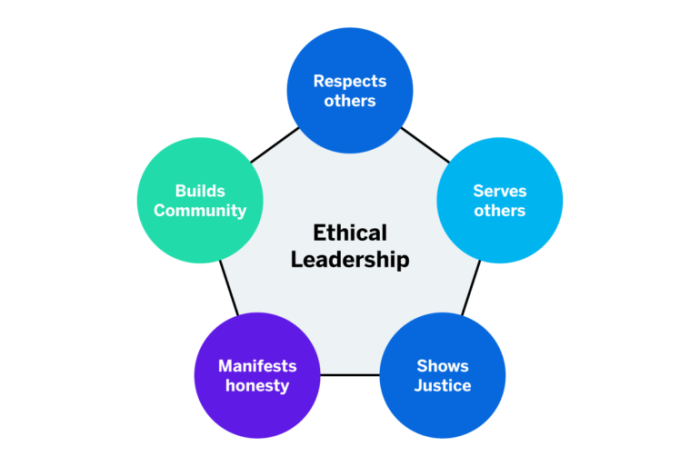
A strong ethical workplace culture is not merely a desirable attribute; it’s a critical driver of business success. It fosters a positive and productive environment, directly impacting a company’s bottom line and long-term sustainability. This section explores the multifaceted relationship between ethical culture and business development, examining its influence on growth, talent acquisition, customer loyalty, and financial performance.
Strong Ethical Culture and Business Growth
A strong ethical culture fosters trust and transparency within the organization. This internal trust translates to increased efficiency and productivity as employees feel valued, respected, and empowered to contribute their best work. Reduced internal conflict and improved collaboration further enhance operational effectiveness. Externally, a reputation for ethical conduct builds trust with stakeholders, including investors, suppliers, and customers, leading to stronger partnerships and increased market opportunities.
This enhanced reputation often translates into a competitive advantage, attracting customers willing to pay a premium for products or services associated with ethical practices. Furthermore, ethical businesses are often viewed more favorably by regulatory bodies, potentially leading to reduced scrutiny and associated costs.
Ethical Practices and Talent Acquisition and Retention
Top talent actively seeks out companies with strong ethical cultures. Individuals want to work for organizations that align with their personal values and provide a supportive and respectful environment. A commitment to ethical practices becomes a powerful recruitment tool, attracting highly skilled and motivated employees who are more likely to remain with the company long-term. Reduced employee turnover translates into significant cost savings associated with recruitment, training, and lost productivity.
Moreover, employees in ethically sound environments exhibit higher levels of engagement and job satisfaction, leading to increased productivity and innovation.
Workplace Culture and Customer Loyalty and Brand Reputation
Ethical behavior significantly influences customer perception and loyalty. Consumers are increasingly conscious of corporate social responsibility and are more likely to support businesses demonstrating a genuine commitment to ethical practices. A strong ethical culture can enhance brand reputation, fostering customer trust and loyalty. This positive brand image translates into increased sales, market share, and long-term profitability. Conversely, negative publicity associated with unethical behavior can severely damage a company’s reputation, leading to customer boycotts and significant financial losses.
Unethical Behavior and Negative Financial Impact
Unethical behavior can lead to a range of negative financial consequences. Legal penalties, fines, and lawsuits resulting from unethical conduct can significantly impact a company’s profitability. Damage to reputation can lead to decreased sales and market share, while the loss of key employees and investors can further exacerbate financial difficulties. Moreover, unethical practices can damage internal morale, leading to decreased productivity and increased operational costs.
For instance, accounting scandals often result in massive financial losses and reputational damage that takes years to overcome.
Case Study: Patagonia’s Commitment to Ethical Practices
Patagonia, an outdoor clothing company, provides a compelling example of how a strong ethical culture positively impacts business development.
- Commitment to Environmental Sustainability: Patagonia’s dedication to environmental sustainability, including using recycled materials and supporting environmental initiatives, resonates deeply with environmentally conscious consumers, fostering strong brand loyalty.
- Fair Labor Practices: The company’s commitment to fair labor practices, ensuring ethical treatment of workers throughout its supply chain, builds trust with customers and attracts employees who value ethical workplaces.
- Transparency and Open Communication: Patagonia’s transparency regarding its environmental and social impact fosters trust and strengthens its brand reputation. Open communication with stakeholders builds loyalty and attracts both customers and employees who value authenticity.
- Positive Financial Performance: Despite its commitment to ethical practices, Patagonia has consistently demonstrated strong financial performance, showcasing the long-term viability of ethical business models. Their commitment to quality and sustainability has helped them command premium pricing and maintain a loyal customer base.
Business Ethics Across Different Functional Areas
Ethical considerations are paramount across all functional areas of a business. Maintaining integrity and adhering to ethical principles not only fosters a positive work environment but also contributes significantly to long-term success and sustainability. This section will explore ethical challenges and best practices within various business functions.
Ethical Considerations in Business Development, Marketing, and Sales
Business development, marketing, and sales often intersect, creating a complex web of ethical considerations. In business development, ethical dilemmas might arise when pursuing partnerships or acquisitions. For instance, ensuring transparency and fair dealings with potential partners is crucial, avoiding deceptive practices or the exploitation of information asymmetries. Marketing faces ethical challenges related to advertising practices, such as truthfulness in advertising claims, avoiding misleading imagery or manipulative language, and respecting consumer privacy.
Sales professionals face ethical dilemmas related to pressure tactics, misleading product information, and prioritizing personal gain over client needs. For example, a salesperson might be tempted to exaggerate a product’s capabilities to close a deal, neglecting to mention limitations or potential drawbacks. Ethical business practices prioritize transparency, honesty, and the client’s best interests.
Ethical Challenges Related to Business Loans and Financial Reporting
Securing business loans and maintaining accurate financial reporting are critical for any organization’s financial health. Ethical issues arise when applying for loans, such as misrepresenting financial information to secure favorable terms or failing to disclose relevant risks. In financial reporting, ethical considerations center on transparency, accuracy, and adherence to accounting standards. Manipulating financial statements to inflate profits or hide losses is a serious ethical breach with significant legal ramifications.
A company might be tempted to underreport expenses or overstate revenues to meet investor expectations or secure a loan, but this ultimately undermines trust and long-term sustainability.
Ethical Considerations in Business Strategy and Planning
Ethical considerations should be woven into the fabric of business strategy and planning. This involves considering the potential social and environmental impact of business decisions. For example, a company’s strategic plan might involve expanding into a new market, but this expansion must be evaluated for its potential impact on local communities and the environment. Ethical business strategy prioritizes sustainability, social responsibility, and long-term value creation over short-term gains.
A company might choose a more expensive, environmentally friendly production method over a cheaper but polluting alternative, reflecting a commitment to ethical practices.
Ethical Implications of Business Travel and Expense Reporting
Business travel and expense reporting often present opportunities for ethical lapses. Misrepresenting travel expenses, such as inflating costs or claiming expenses for personal use, is a breach of trust and can lead to disciplinary action. Companies should implement clear expense reporting policies and ensure proper oversight to maintain accountability and transparency. For instance, a clear policy on acceptable expenses and required documentation can minimize the potential for abuse.
Similarly, regular audits of expense reports can help detect and prevent fraudulent activity.
Ethical Standards in Different Business Models
Ethical standards vary somewhat depending on the business model. For-profit businesses prioritize profitability while adhering to ethical guidelines. Non-profit organizations focus on their mission and social impact, often subject to stricter scrutiny regarding their financial transparency and the use of donations. Both types of organizations must maintain high ethical standards to retain public trust. However, the metrics used to assess ethical performance differ.
For a for-profit company, ethical performance might be measured by compliance with regulations and consumer satisfaction, whereas a non-profit might measure ethical performance by its effectiveness in achieving its mission and its accountability to donors.
The Role of Business Coaching in Promoting Ethical Conduct
Business coaching plays a vital role in fostering ethical behavior within organizations. By providing individuals and teams with tailored guidance and support, coaches help cultivate ethical decision-making skills and create a culture of integrity. This approach goes beyond simple compliance training, focusing instead on developing a deep understanding of ethical principles and their practical application in daily work life.Coaching helps individuals and organizations develop ethical decision-making skills by providing a structured framework for navigating complex ethical dilemmas.
It encourages self-reflection, promoting a deeper understanding of personal values and their alignment with organizational ethics. Through guided discussions and targeted exercises, coaches help individuals identify potential ethical conflicts, analyze the consequences of different actions, and develop strategies for ethical decision-making. This proactive approach prevents unethical behavior before it occurs.
Coaching Techniques that Promote Ethical Behavior
Several effective coaching techniques can promote ethical behavior. These include Socratic questioning, which encourages critical thinking and self-discovery; role-playing, allowing individuals to practice ethical decision-making in a safe environment; and case studies, providing real-world examples of ethical dilemmas and their resolutions. Feedback and reinforcement are also crucial, recognizing and rewarding ethical behavior while addressing instances where ethical standards were not met constructively.
Finally, the use of ethical frameworks, such as utilitarianism or deontology, can provide a structured approach to ethical problem-solving.
Creating a Safe Space for Discussing Ethical Concerns
A crucial aspect of effective ethical coaching is establishing a safe and confidential space for employees to discuss ethical concerns. Coaches must foster an environment of trust and open communication, assuring employees that their concerns will be addressed without fear of retaliation. This requires active listening, empathy, and a commitment to confidentiality. Coaches should also be trained to handle sensitive information responsibly and ethically, adhering to all relevant organizational policies and legal requirements.
Creating this safe space encourages proactive reporting of ethical breaches, ultimately strengthening the organization’s ethical culture.
A Business Coaching Program Focused on Fostering Ethical Leadership
A comprehensive business coaching program focused on ethical leadership should incorporate several key elements. It should begin with an assessment of the organization’s current ethical climate, followed by training on ethical principles, legal compliance, and best practices. The program should then provide individualized coaching sessions to help leaders develop their ethical decision-making skills, including the ability to identify and address ethical conflicts, communicate ethical expectations clearly, and model ethical behavior.
Ongoing support and mentoring should be provided to reinforce ethical practices and address any emerging challenges. The program should also include mechanisms for feedback and evaluation, ensuring its effectiveness in promoting ethical leadership throughout the organization. Regular reviews and adjustments based on feedback will further enhance the program’s efficacy.
Assessing an Organization’s Ethical Climate
A business coach can effectively assess an organization’s ethical climate by asking key questions. These questions should explore various aspects of the organization’s culture, policies, and practices. The following table provides a structured approach to this assessment:
| Organizational Culture | Policies and Procedures | Leadership Behavior | Employee Perceptions |
|---|---|---|---|
| How open and honest is communication within the organization? | Are ethical guidelines clearly defined and readily accessible? | Do leaders consistently model ethical behavior? | Do employees feel comfortable reporting ethical concerns? |
| Is there a culture of accountability for ethical breaches? | Are there mechanisms in place for reporting and investigating ethical violations? | Do leaders actively promote ethical decision-making? | Do employees believe that ethical concerns are taken seriously? |
| Is there a strong sense of shared values and ethical principles? | Are policies and procedures regularly reviewed and updated? | Are leaders held accountable for ethical lapses? | Is there a culture of trust and respect within the organization? |
| How effectively does the organization address conflicts of interest? | Are there clear processes for managing ethical dilemmas? | Do leaders provide regular training on ethical conduct? | Do employees feel supported in making ethical decisions? |
Ultimately, cultivating a strong ethical culture is not merely a matter of compliance but a strategic imperative for long-term success. By understanding the core components of ethical frameworks, implementing effective leadership strategies, and fostering open communication, organizations can create workplaces where ethical behavior is not only expected but actively encouraged and rewarded. This leads to a more productive, engaged workforce, stronger customer relationships, and a significantly enhanced brand reputation, ultimately contributing to sustainable growth and profitability.
Clarifying Questions
What is the difference between ethics and compliance?
Ethics are moral principles that govern a person’s behavior or the conducting of an activity. Compliance refers to adhering to rules, regulations, and laws. While compliance is a minimum standard, ethics represent a higher aspiration for moral conduct.
How can I report unethical behavior in my workplace?
Most organizations have established channels for reporting unethical conduct, such as a hotline, an ethics officer, or a designated human resources representative. Review your company’s policies to identify the appropriate reporting mechanism.
What are some common examples of unethical behavior in the workplace?
Common examples include harassment, discrimination, theft, fraud, misuse of company resources, and conflicts of interest.
How can I contribute to a more ethical workplace culture?
By adhering to ethical standards in your own work, reporting unethical behavior, participating in ethics training, and speaking up when you see something wrong, you can actively contribute to a more ethical workplace.